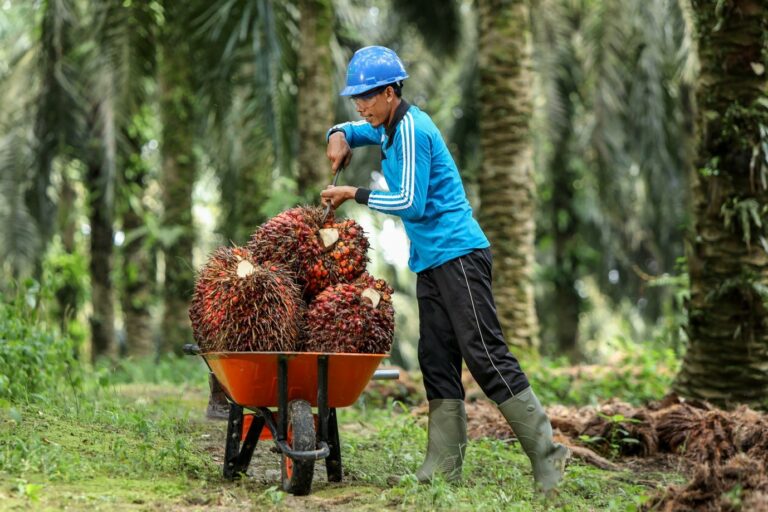
Crude palm oil (CPO) is a type of vegetable oil derived from the fruit of the oil palm tree. Indonesia is one of the world’s largest producers of crude palm oil, accounting for nearly half of the global production.
Introduction to Indonesia Crude Palm Oil
Indonesia is the world’s largest producer and exporter of crude palm oil. The country’s tropical climate and fertile soil make it an ideal location for cultivating oil palm trees.
The production of Indonesia crude palm oil has contributed significantly to the country’s economic growth, providing employment opportunities for millions of people and boosting foreign exchange earnings.
Health Benefits of Indonesia Crude Palm Oil
Indonesian crude palm oil has several health benefits. It contains a balanced amount of saturated and unsaturated fatty acids essential for maintaining heart health. The oil is also rich in antioxidants, such as vitamin E and carotenoids, which protect the body against oxidative stress and reduce the risk of chronic diseases. Additionally, crude palm oil has a high smoke point, making it suitable for high-temperature cooking methods, such as frying and grilling.
Economic Benefits of Indonesia Crude Palm Oil
The production of crude palm oil has contributed significantly to Indonesia’s economic growth. The palm oil industry provides employment opportunities for millions, from smallholder farmers to factory workers. The sector also contributes to the country’s foreign exchange earnings, with exports of crude palm oil and its derivatives generating billions of dollars in revenue each year. Moreover, the industry supports infrastructure development, such as roads and ports, which facilitates the movement of goods and people.
Sustainability of Indonesia Crude Palm Oil
Crude palm oil production has been criticized for its environmental impact, including deforestation, habitat destruction, and greenhouse gas emissions. However, the industry has made significant progress in recent years to address these issues.
Indonesia has implemented various sustainability policies, such as the Indonesian Sustainable Palm Oil (ISPO) certification system, which promotes sustainable practices in producing crude palm oil. To reduce its environmental impact, the industry has also adopted best practices, such as zero-burning policies and renewable energy sources.
Applications of Indonesia Crude Palm Oil
Indonesian crude palm oil has numerous applications in various industries, including food, cosmetics, and biofuels. The oil produces multiple food products, such as margarine, cooking oil, and snacks. In the cosmetics industry, crude palm oil is used as a base for soaps, lotions, and other personal care products. Additionally, oil is used as a feedstock for the production of biofuels, which can reduce the dependence on fossil fuels and mitigate the impact of climate change.
Challenges Facing Indonesia Crude Palm Oil Industry
Despite the many benefits of Indonesian crude palm oil, the industry faces several challenges. One of the significant challenges is the negative impact of palm oil production on the environment, such as deforestation and habitat destruction. Another challenge is the issue of land tenure, which can create conflicts between smallholder farmers and large plantation owners. Moreover, the industry faces competition from other vegetable oils, such as soybean and canola, affecting the demand for crude palm oil.
Future of Indonesia Crude Palm Oil Industry
The future of the Indonesian crude palm oil industry looks promising, with increasing demand for vegetable oils in various industries. The industry has made significant progress in sustainability by adopting best practices and implementing certification systems. The industry also has the potential to contribute to the country’s
The industry also has the potential to contribute to the country’s economic growth, with the government implementing policies to increase production and expand export markets. However, the industry must continue addressing its challenges, such as environmental sustainability and social responsibility, to ensure long-term viability.
Indonesian crude palm oil has numerous health, economic, and sustainability benefits. The industry has contributed significantly to the country’s economic growth, providing employment opportunities for millions and generating billions of dollars in revenue through exports.
The oil has several health benefits, such as maintaining heart health and reducing the risk of chronic diseases. The industry has made significant progress in sustainability, adopting best practices and certification systems. However, the industry must address its challenges, such as environmental sustainability and social responsibility, to ensure its long-term viability.
FAQs
What is crude palm oil?
Crude palm oil is a type of vegetable oil derived from the fruit of the oil palm tree.
What are the health benefits of Indonesian crude palm oil?
Indonesian crude palm oil has several health benefits, such as maintaining heart health, reducing the risk of chronic diseases, and having a high smoke point for high-temperature cooking.
What are the economic benefits of Indonesian crude palm oil?
The production of crude palm oil has contributed significantly to Indonesia’s economic growth, providing employment opportunities for millions of people and generating billions of dollars in revenue through exports.
What are the sustainability issues surrounding the production of Indonesian crude palm oil?
Crude palm oil production has been criticized for its negative environmental impacts, such as deforestation and habitat destruction. However, the industry has made significant progress in recent years to address these issues.
What is the future of the Indonesian crude palm oil industry?
The future of the Indonesian crude palm oil industry looks promising, with increasing demand for vegetable oils in various industries. The industry must address sustainability and social responsibility challenges to ensure long-term viability.